What karat means
Karat measures how many parts out of 24 are pure gold. Pure gold is 24K and too soft for most jewelry, so it is alloyed with copper, silver, nickel or zinc. The alloy also sets the color: more copper for rose gold, nickel or palladium for white gold.
Purity by karat
These are the standard purities and the numeric stamps that go with them.
- 10K (417): 41.7 percent gold
- 14K (583 or 585): 58.3 percent gold
- 18K (750): 75 percent gold
- 22K (916 or 917): 91.7 percent gold
- 24K (999): pure gold
The arithmetic
Gold is quoted per troy ounce, and a troy ounce is 31.1 grams. Divide the gold price by 31.1 to get the price of one gram of pure gold. Multiply by the purity for your karat, then by the weight of your piece in grams. That is the melt value.
Some scales and older jewelers use pennyweights. One pennyweight is 1.555 grams, and 20 pennyweights make a troy ounce.
Why offers are below melt
Scrap jewelry has to be melted, assayed and refined before it is pure gold again, and each step has a cost. Buyers also carry the risk of the price moving before the metal is sold. A fair offer is a clear percentage of melt. Ask any buyer what percentage they pay and to show the weight and karat they used.
What does not count toward weight
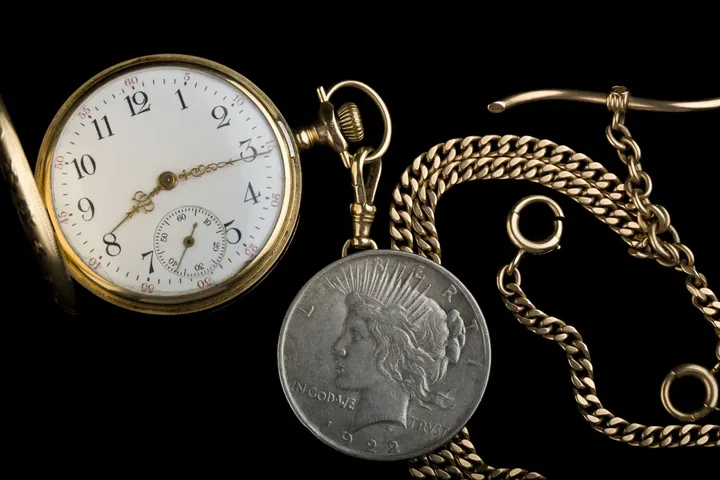
Stones, watch movements, springs in clasps and steel pins are not gold. A buyer removes them or deducts their weight. Hollow chains and bangles weigh far less than they look, while class rings and solid link bracelets weigh more.
Quick answers
Is white gold worth less than yellow gold?
No. At the same karat and weight, white, yellow and rose gold contain the same amount of gold.
What does 14KP mean?
Plumb. It means the piece is exactly 14 karat with no shortfall.
Ready to sell? See gold jewelry with Overland Park Coin Buyers.